Easements in Queensland: what they are and how they affect your property
An easement is a registered right for one party to use part of someone else's land for a specific purpose — usually access, drainage, sewerage or services. It does not transfer ownership. It runs with the land, so it binds whoever owns the property next, and it is one of the first things a buyer's solicitor should be checking on a title search.
Written by Michael Klein, Legal Practice Director, admitted 2003 · General information about Queensland law · Last reviewed 2026
Need advice on your own matter? Book a no-obligation consultation with Coastside Law in Golden Beach.
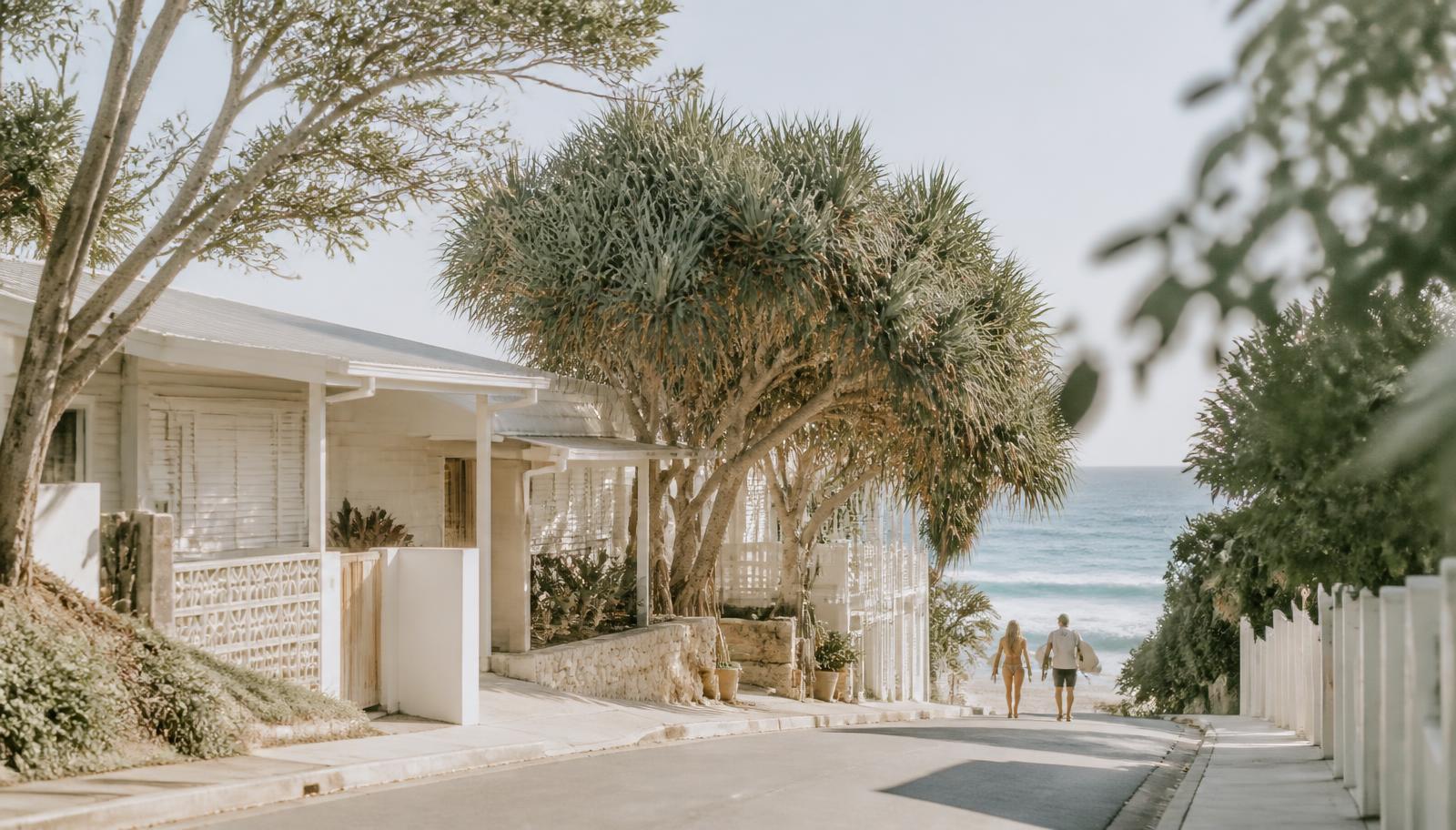
The two blocks: burdened and benefited
An easement usually involves a servient tenement — the land carrying the burden — and a dominant tenement, the land that gets the benefit. A rear block reached by a driveway over the front block is the classic example: the rear lot has the right of way, the front lot has to allow it.
Easements in gross are different: they benefit an authority rather than another block. Sewer, water, electricity and telecommunications easements are typically in gross and are held by the service provider.
Common types you will see on Queensland titles
The easement document itself sets out the terms, and the terms matter more than the label:
- Right of way or access easement — vehicle or foot access across another lot
- Drainage easement — stormwater flowing across or under the land, often to council
- Sewerage and water supply easements in favour of the local service provider
- Electricity and telecommunications easements for cables, pits and substations
- Support and party wall easements, common in duplexes and attached dwellings
- Statutory covenants — not easements, but often registered alongside them and restricting what can be built or where
What it means if your land is burdened
You still own the land under the easement, and you can generally use it in ways that do not interfere with the easement rights. What you usually cannot do is build over it, block it, plant heavily on it or change the levels.
- Council and service providers will refuse building approval over a sewer or drainage easement, or require a build-over approval with engineering conditions
- Obstructing a right of way — a fence, a parked trailer, a locked gate — can be actionable by the benefited owner
- Maintenance and cost-sharing depend on the easement document; many older instruments are silent, which is a frequent source of neighbour disputes
- The easement area still counts as part of your lot for rates and land tax, but it can reduce market value and limit your building envelope
Checking easements before you buy
A title search shows registered easements as encumbrances, and the registered plan shows where they run. But the plan alone does not tell you the terms — you need a copy of the actual easement instrument.
Under Queensland's seller disclosure regime, the seller's Form 2 disclosure statement must include the title search and plan, so encumbrances should be visible before you sign. Read them. A buyer who signs and then discovers the driveway or the shed sits on an easement usually has no remedy after settlement.
- Ask for the easement instrument, not just the plan
- Walk the block and compare what is built with where the easement runs
- For a rear lot, confirm the access easement is registered rather than an informal arrangement with the neighbour
- Check for unregistered service infrastructure — a sewer main crossing the land without an easement can still restrict building
Creating, varying and removing an easement
Easements are created by registered instrument, usually by agreement between the owners or as a condition of a subdivision approval. Both owners sign, mortgagee consent is needed, and the document is lodged with a plan defining the easement area.
Removing one is harder. A surrender requires the benefited owner to agree, and they rarely will without payment. Where agreement is impossible, the Property Law Act allows an application to the Supreme Court to extinguish or modify an easement — for example where it has become obsolete or no longer has practical benefit. That is a genuine litigation exercise, so it is worth trying to negotiate first.
When there is no easement but you need access
If a lot is landlocked or cannot be reasonably used without access over a neighbour, the Property Law Act allows the Court to impose a statutory right of user on terms it considers reasonable, usually with compensation to the burdened owner. It is discretionary and not cheap, so it is a last resort rather than a plan.
If you are buying a block with an easement, planning to create one as part of a subdivision, or in a dispute with a neighbour about a right of way, call 0488 340 853 and we will look at the title and the instrument before you commit to anything.
Easements in Queensland — common questions
Can I build over an easement in Queensland?
Generally not without consent. For a sewer or stormwater easement you need a build-over approval from the service provider or council, and it will impose engineering conditions. For a private easement you need the benefited owner's written agreement, and their refusal is usually the end of it.
Who maintains an easement?
It depends on the terms of the registered instrument. Many access easements require the benefited owner to maintain the driveway and to repair damage they cause. Where the document is silent, the practical answer is often shared cost by agreement — which is why the terms should be checked before a dispute starts.
Does an easement reduce my property value?
It can, particularly where it cuts across a usable building area or means the driveway is shared. A drainage easement along a rear boundary may have little effect. Valuers look at how much of the developable area is affected.
Can an easement be removed?
By agreement and a registered surrender, yes. Without agreement, an application can be made to the Supreme Court under the Property Law Act to extinguish or modify it, on grounds such as obsolescence or no practical benefit. It is a court process, so cost and prospects need to be weighed up first.
Does an easement show on a title search?
A registered easement appears as an encumbrance on the title search and its location appears on the registered plan. Unregistered infrastructure and informal arrangements do not, which is why a physical inspection and service provider searches still matter.
What is the difference between an easement and a covenant?
An easement gives someone a right to use part of your land. A covenant restricts how you use your own land — for example limiting building materials or heights. Both are registered on title and both bind future owners.
This guide is general information about Queensland law, current at the time of writing. It is not legal advice and does not take your circumstances into account. Call Coastside Law on 0488 340 853 for advice on your own matter.
Related questions
The questions people usually ask next on this topic.
- How much does conveyancing cost in Queensland?
- How long is the cooling-off period in Queensland?
- What if the building and pest report is bad?
Keep reading
Next steps
Where to go from here if this is your situation.
- 1Fixed-fee conveyancingBuying or selling on the Sunshine Coast — $990 to sell, $1,499 to buy, both incl. GST.See how we help
- 2Check the fixed feeExactly what our conveyancing costs, what is included, and what the third-party disbursements are.View our fees
- 3Talk it throughA short, no-obligation conversation with a lawyer at our Golden Beach office.Request a consultationCall 0488 340 853
Prefer to browse first? All legal guides